Local email marketing, explained clearly: start with the guides or browse all 14 marketing tools
WebRevealed: Discovered for You
Article

Newsletter vs Blog: Which Drives More Comeback Visits

The newsletter vs blog decision is really about how readers come back. A blog is a public library: search engines index it, strangers find it, and a visitor may read one post and never return. A newsletter is a relationship: it lands in an

beehiiv: newsletter platform
Featured: beehiiv: newsletter platform

The newsletter vs blog decision is really about how readers come back. A blog is a public library: search engines index it, strangers find it, and a visitor may read one post and never return. A newsletter is a relationship: it lands in an inbox, it asks for a small commitment, and it gives you a reason to show up in someone's attention again next week.

That difference shapes what each is good for. Blogs win on discovery, because they capture search traffic for questions people are already asking. Newsletters win on retention, because they build a habit and a direct channel that does not depend on an algorithm. Most successful publishers run both, with the blog as the front door and the newsletter as the living room.

The economics differ too. A blog can be monetized with ads or affiliate links on evergreen content, while a newsletter is often monetized through sponsorships, paid subscriptions, or selling your own products. The newsletter tends to have higher revenue per reader because the relationship is closer, but it requires consistent output or it loses its audience.

The practical question for email vs content marketing is capacity. If you can publish consistently, a newsletter compounds. If you cannot, a blog with evergreen posts is more forgiving, because old posts keep working while you are busy.

The beehiiv page in this category covers a newsletter platform, and it is a useful reference for the retention side. The newsletter vs blog choice usually comes down to whether you want a search asset or a relationship asset, and many publishers eventually want both.

How to build the stack1Start with the listEmail you own beats audiences you rent2Pick one main systemOne platform for sending beats five tools3Add growth nextReferrals and SEO come after the basics work4Measure, then expandOpen rates, clicks, and revenue tell the story

Related marketing tools

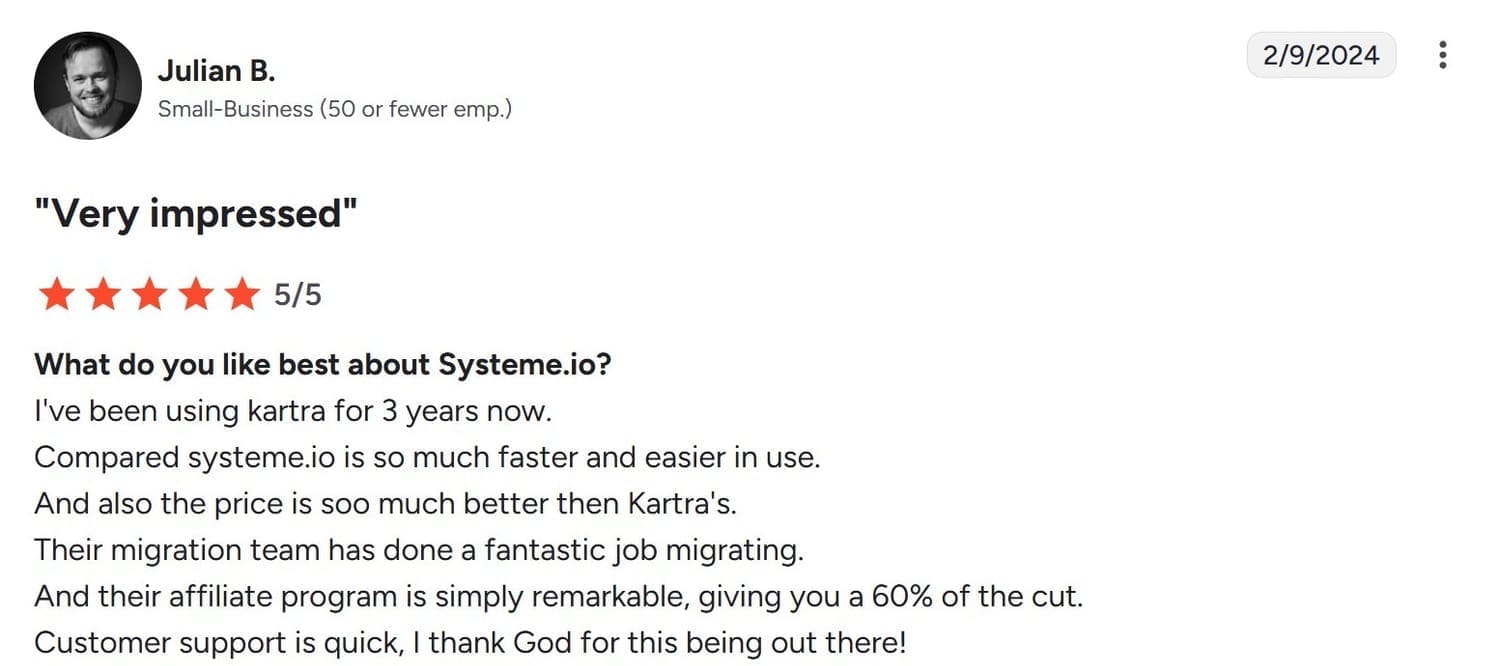
systeme.io: all-in-one marketing SaaS
systeme-io

systeme.io: all-in-one marketing SaaS

Bootstrapped businesses die by a thousand subscriptions: a funnel tool here, an email tool there, a course platform somewhere else, each with its own login, invoice, and learning curve. systeme.io collapses the stack into one platform where funnels, email, automation, courses, and the website share one audience record. The free starter plan, no credit card required, makes the test risk free, and the paid tiers stay the cheapest complete stack here. Fewer logins means fewer things to break at launch time, and one invoice replaces the pile on your desk. It is the pick when every subscription has to earn its place and the budget is the business.

Full review →
ActiveCampaign: all-in-one marketing & CRM
activecampaign

ActiveCampaign: all-in-one marketing & CRM

Every small team hits the same wall: leads come in, follow-up slips, and the buying intent cools before anyone reaches out. ActiveCampaign fixes that with behavior-triggered automation, where a contact's own actions, like opens, clicks, or purchases, decide the next step automatically. Your sales team inherits a CRM record that shows the full history, so nobody repeats a conversation or misses context. Consolidating email, automation, and CRM into one subscription replaces three tools and their integration headaches, which saves both money and the weekly reconciliation work. It is the pick when follow-up speed is what is costing you sales, and manual follow-up has become the bottleneck you personally carry.

Full review →