Course & Digital Product Launches: The Tools Behind a Successful Sell
The course business has become one of the defining models of the creator economy for a simple reason: it scales. A consultant can only sell so many hours, but a course can be sold to a thousand people without a thousand hours of delivery. That leverage , building the product once and selling it many times , is why educators, coaches, and experts of every kind have moved into digital products, and why the tooling around course launches has matured into a genuine stack. A successful launch is not one tool; it is three jobs done well, connected together.
The first job is the audience: the people who will be told the product exists. For most creators, that is an email list, and the launch runs through it , teaser content, a waitlist, an open-cart sequence, and the follow-up that turns buyers into repeat buyers. Kit (ConvertKit) is the creator-native option for this job, with the automation to run a launch sequence and the paid-subscription features to turn the list into revenue in its own right; its first-year terms reflect how central that audience job is. A creator whose audience lives in a newsletter built on beehiiv gets a similar launch capability from the publishing platform itself, with growth tools feeding the list the launch depends on.
The second job is the sales path: the sequence of pages and offers that turns interest into a purchase. This is where the funnel platforms earn their place. ClickFunnels built the category around exactly this job , a landing page, an offer, a checkout, and an upsell presented as a deliberate sequence rather than a scattered set of links , and its prebuilt funnel templates give a creator a tested structure to launch into rather than a blank canvas. For a launch, the funnel's job is to make the buying decision easy and to raise the average order value with a relevant upsell, and the subscription structure of ClickFunnels mirrors how central the funnel is to an ongoing course business, not just the launch week.
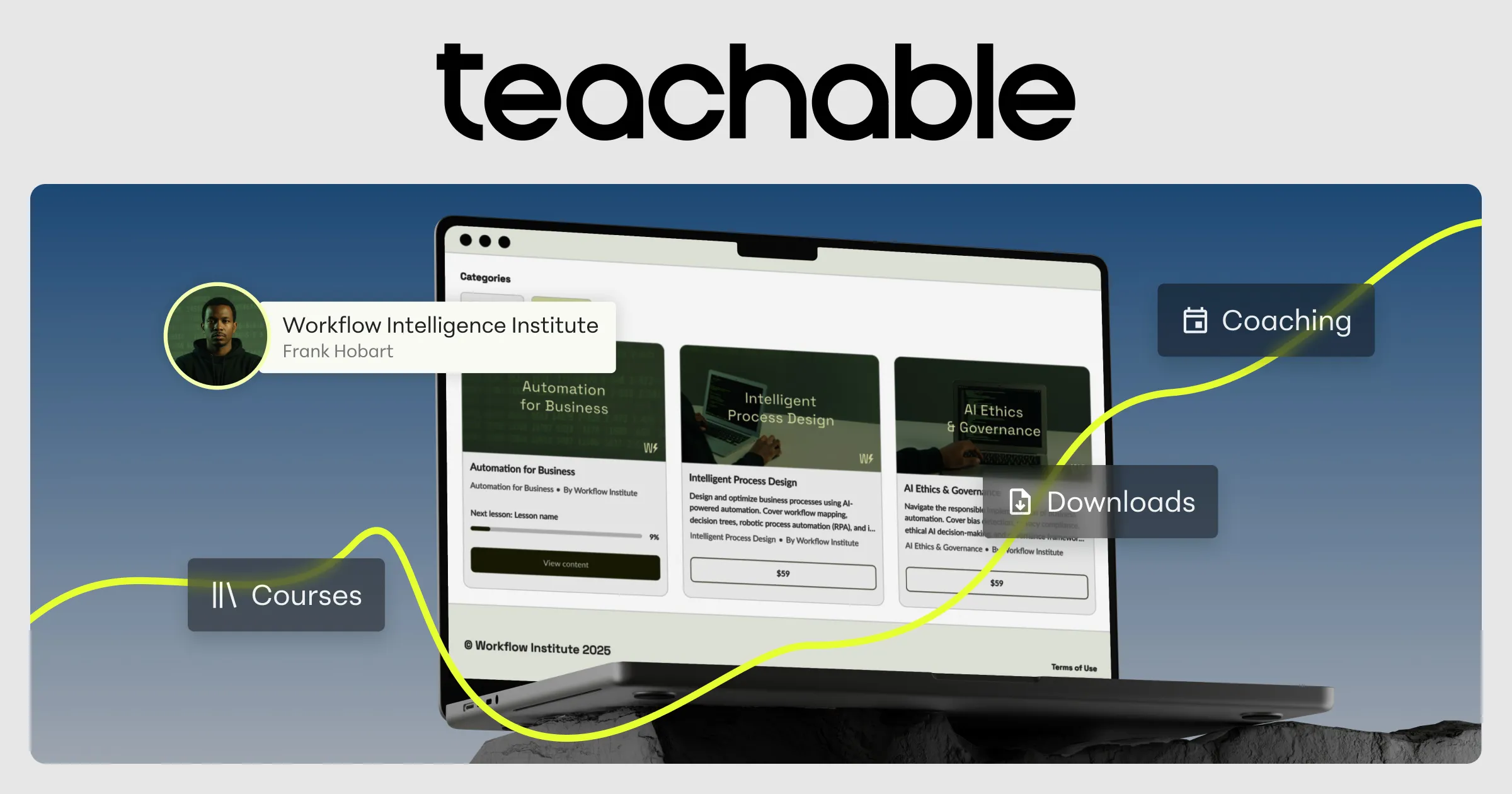
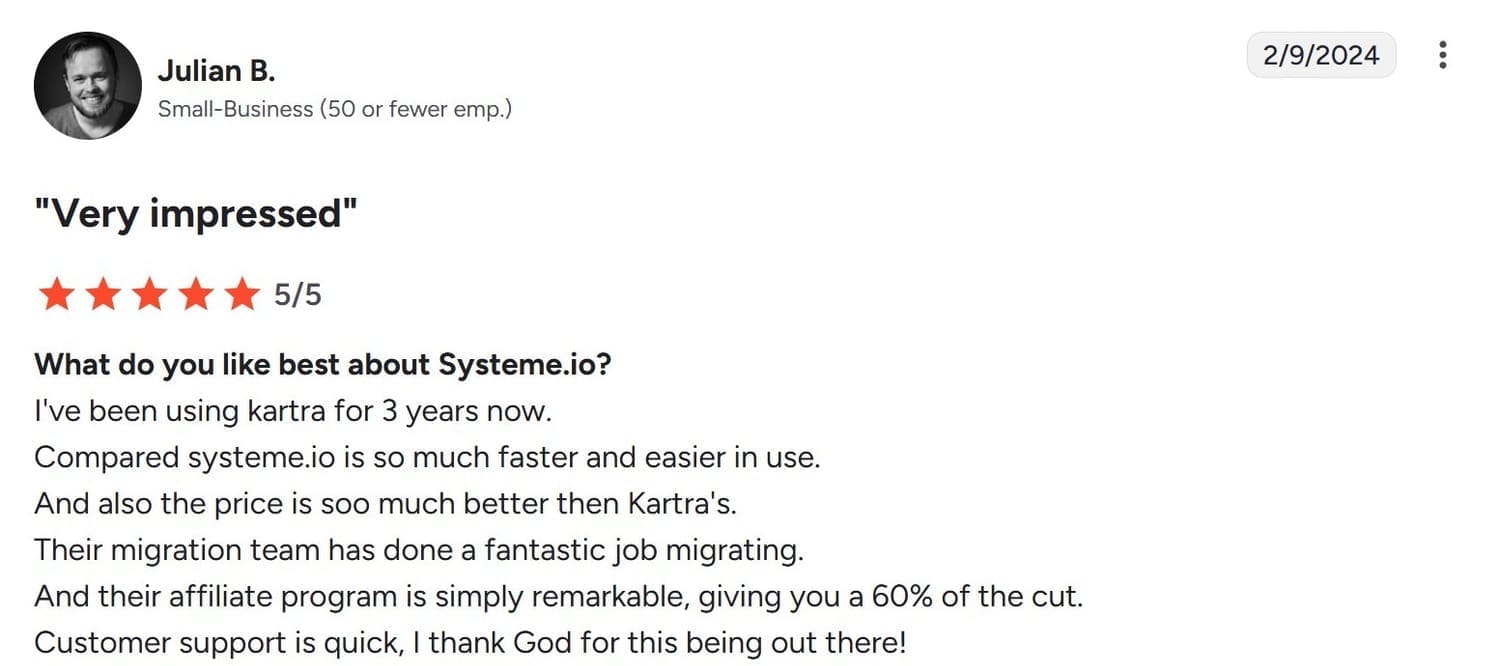
The third job is delivery: hosting the course itself and getting paid. Teachable is the anchor here, with course building, lesson delivery, sales pages, and checkout in one platform, and payments and tax handled for the creator so the unglamorous back-office work does not become the creator's problem. Teachable's pricing covers the first 12 months of each subscription, which matches the product: a creator who launches a course on the platform tends to keep launching, so the referral behaves like a subscription rather than a one-time sale. For launches that run on webinars , a live session that sells the course , GetResponse bundles webinar hosting and a course builder into its all-in-one, so the webinar attendee list and the course student list are the same system. systeme.io covers the same territory at the lowest price point, with its funnel, email, and course tools in one subscription with simple, stable pricing for as long as the subscription continues.
The strategic discipline is to pick one tool per job and connect them, rather than expecting one platform to do everything well. The audience job belongs to the email or newsletter platform; the sales path belongs to the funnel builder; the delivery belongs to the course platform. A launch that runs the audience on Kit or beehiiv, the sales path on ClickFunnels, and the delivery on Teachable is a stack where each part is best-in-class at its job , and the integrations between email, funnel, and course platforms are mature enough that the seams are invisible to the buyer. The alternative , running all three jobs on a single all-in-one like systeme.io or GetResponse , trades some depth for lower cost and fewer moving parts, which is the right call for a first launch where budget matters more than marginal conversion rate.
For affiliates, the course and digital-product niche has the same structural advantage as the rest of this category: successful customers stay and keep buying. A creator who launches a course, sells it, and launches the next one keeps paying for the funnel and the course platform indefinitely, which is what makes platform stability in this niche valuable rather than marginal. The content that converts is launch-shaped: how-to guides for course creators, comparisons of the platforms, and launch breakdowns that show the stack working. A creator researching a launch is a creator with money in motion, and the tools that serve that moment well earn a customer who comes back for every launch after.