Local email marketing, explained clearly: start with the guides or browse all 14 marketing tools
WebRevealed: Discovered for You
WebRevealed Marketing · marketing.webrevealed.com

Marketing tools that earn the keep

You need every week to build a list you own, send emails people open, and sell without five subscriptions and five logins. These fourteen tools do that work in different ways. Read the reviews by the job you are hiring for, and you will pick the system you will actually use.

beehiiv: newsletter platform
Featured: beehiiv: newsletter platform
14Marketing Tools reviewed
14Brands and programs
10Tools with live offers
14Articles and guides
6Buying categories

Start with the situation you are in

Category hubs are built around the problem first. The right pick follows the problem, not the other way around.

Kit: email marketing for creators
EMAIL & CREATOR MONETIZATION

Email List & Creator Monetization: The Complete Strategy

Your audience follows you because algorithms introduce you, but they pay you because an email address lands in their inbox. This category is for creators ready to turn that rent into ownership. The picks here handle the owned list, the growth, and the monetization in one place, so the weekly email becomes the income line. Open the reviews to see which tool replaces the pile of subscriptions you are paying now.
GetResponse: all-in-one marketing
NEWSLETTER GROWTH

Newsletter Growth & Publishing: From First Issue to Sustainable Business

A newsletter that stays a hobby writes for readers, and a newsletter that becomes a business grows readers and sells to them with the same email. This category holds the platforms that run the full loop, publishing, referrals, and sponsorship income together. The growth layer is the difference, and it is where these tools earn their keep. Click through to see which loop fits the publication you are actually building.

Laizie Builder: AI website builder
SMALL-BUSINESS STACK

Building a Small-Business Marketing Stack on a Budget

The small-business constraint is never ambition, it is the invoice pile and the login pile that grow faster than the team. This category is the alternative: stacks that cover email, social, automation, and follow-up inside one monthly bill. Each pick replaces several subscriptions at once, which is where the money saving happens. Start with the bundle that matches your main job, then add specialists only where you hit a wall.

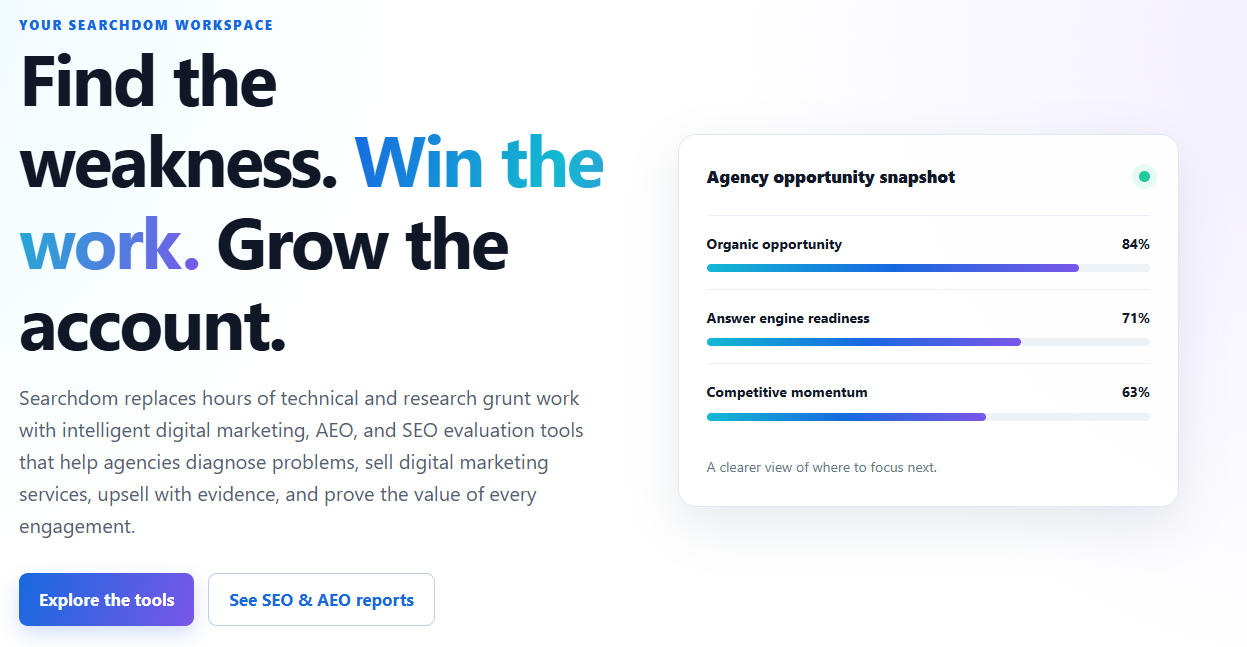
Searchdom: agency SEO and AEO workspace
AGENCY & CLIENT WORK

Agency & Client Marketing: Tooling for Multi-Account Delivery

An agency multiplies every marketing problem by the number of clients, and the tools have to keep those worlds apart. This category holds platforms built for multi-account delivery, with permissions, roles, and per-client reporting baked in. One login serves the whole roster without mixing one client's numbers into another's. If your client list is growing faster than your tooling, start here and pick the separation model you can trust.

Moz: SEO software
SEO & CONTENT

SEO & Content Marketing: Building the Search Channel Properly

Search rewards the businesses that do the research once and harvest for years, and this category is the tooling that does the research. Two specialist platforms cover keyword research, rank tracking, and site audits in one workflow. No guesswork, no tab-hopping, and no spreadsheet stitching between tools that disagree. Open the reviews to see which data style matches how you make decisions.

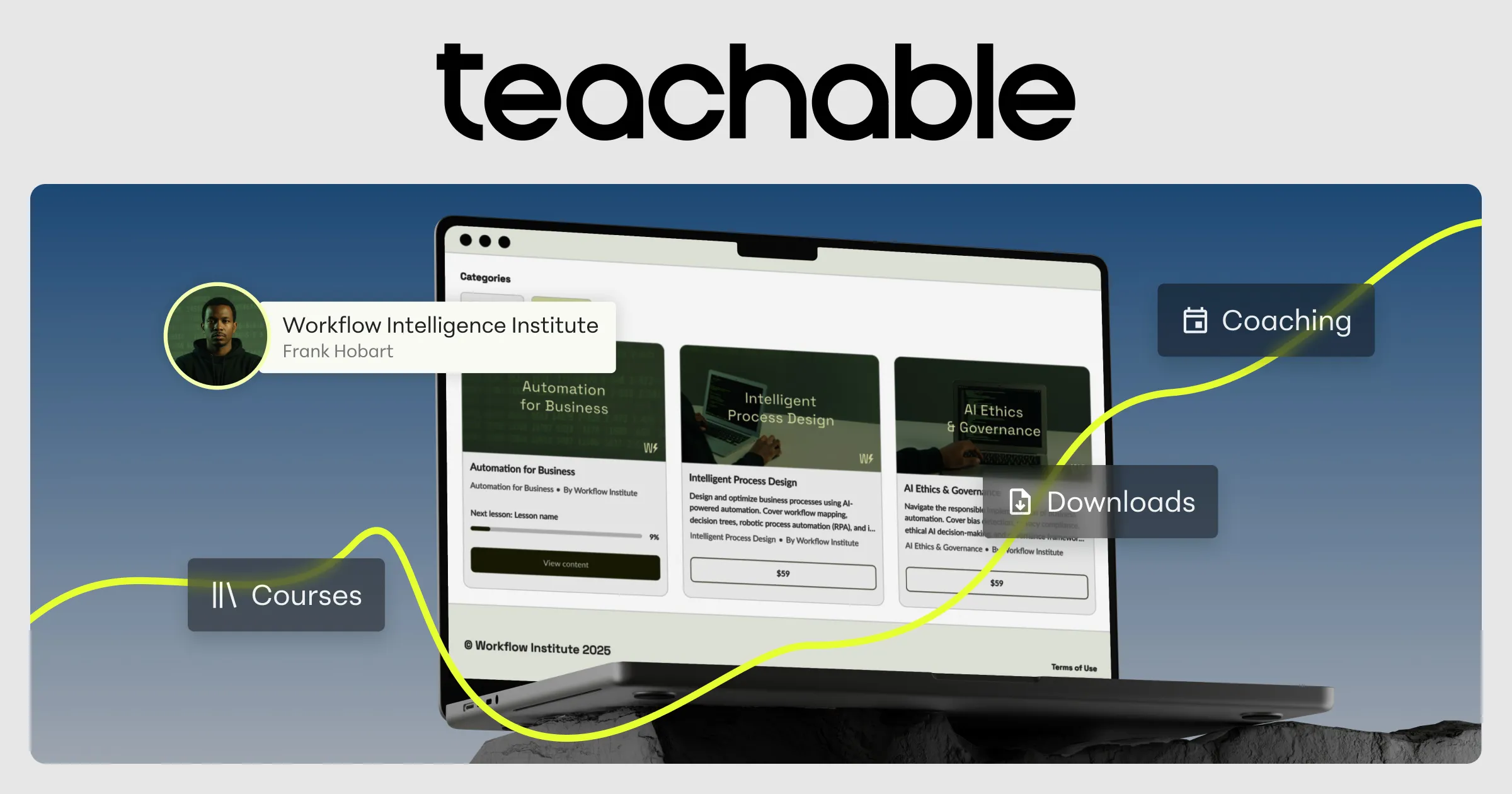
Teachable: online-course platform
COURSE LAUNCHES

Course & Digital Product Launches: The Tools Behind a Successful Sell

A launch succeeds or fails in the seams between capture, checkout, delivery, and follow-up, and this category is the tools that close those seams. Each platform here carries the buyer through the whole sequence with one record from first click to final lesson. The abandoned-cart follow-up alone recovers revenue most creators leave on the table. Start with the launch you are running, then match the platform to that sequence.

Featured marketing tools

The picks we keep coming back to, in the order we would shortlist them. Each one earns its place in a different situation.

Featured pick

Searchdom: agency SEO and AEO workspace

Searchdom is our own agency workspace, and it is our top pick here because it owns the whole client journey instead of one station on it. One connected workspace carries prospect discovery, SEO and AEO diagnosis, budgets, proposals, agreements, onboarding, and the reports that prove the value of every engagement, with each step handing the next its evidence. The AEO readiness rubric answers the hardest client question in 2026, whether answer engines recommend them, with evidence instead of adjectives. The prospect evaluator and the SEO and AEO reports sit behind a subscription upgrade, stated plainly where you can read it. For an agency that must diagnose, sell, deliver, and prove, this is the workspace to start with.

Featured pick

Laizie Builder: AI website builder

Laizie Builder is our own AI website builder, and it is our top pick because it fixes the category instead of joining it. You describe the change in plain English, the AI does the work, and you approve it, and ordinary HTML is written straight to hosting you own, so there is no landlord, no export button that never comes, and no lock-in when the tool relationship ends. LaizieRouter routes each task to a cost-efficient AI specialist team at the quality target you set, which keeps the AI bill predictable, and Control Freak Mode hands full model control to technical owners. The Builder is free to download and free to use forever, and you only pay for the AI you actually consume. Ownership plus plain English plus honest pricing is why it leads this list.

Featured pick

beehiiv: newsletter platform

The newsletter-as-business platform, and the first pick if you publish for a living. You get the editor, the subscriber growth tools, referrals, and the ad network in one place, so the same email you write every week can carry your growth and your revenue. Recommendations and referral loops bring readers to you while you write, and the sponsorship marketplace monetizes them without you chasing advertisers by hand. Fewer logins, one invoice, and one place to look when you ask what a subscriber is worth.

Featured pick

systeme.io: all-in-one marketing SaaS

The all-in-one stack for small businesses and creators who want one subscription instead of five. Email, funnels, a website, CRM, and course tools share the same audience data, so you stop exporting lists between logins. A genuinely free starter plan with no credit card required makes the test risk free, and the paid tiers stay the cheapest complete stack in this catalog. It is the budget pick that still treats your list as the business, and one invoice replaces the pile on your desk.

Featured pick

ActiveCampaign: all-in-one marketing & CRM

The automation and CRM pick for teams whose follow-up cannot be manual. Behavior triggers send the right email when a contact acts, and the built-in CRM keeps marketing and sales looking at one record, so nobody repeats a conversation or misses context. Consolidating email, automation, and CRM into one system replaces three subscriptions and the glue work between them. If your pipeline lives in your head today, this is the tool that moves it into a system your whole team can see.

How to build the stack1Start with the listEmail you own beats audiences you rent2Pick one main systemOne platform for sending beats five tools3Add growth nextReferrals and SEO come after the basics work4Measure, then expandOpen rates, clicks, and revenue tell the story
The marketing stack, in orderListcapture subscribers→Sendemail & content→Growfunnels & ads→Sellcheckout pages→Measuretrack what works

Deep-dive guides

Long-form guides for the big decisions. Read these before you buy.

Guide

Email List & Creator Monetization: The Complete Strategy

The creator economy runs on an email list, because the list is the only audience you fully own and the only one that pays on your schedule. This guide lays out the full path from first subscriber to sustainable income: the welcome sequence, the weekly rhythm, the offer rotation, and the tools that carry each part. It shows the money math at every stage, so you can see which lever to pull next. Read it before you accept the next platform that wants to rent you your own audience.

Guide

Newsletter Growth & Publishing: From First Issue to Sustainable Business

A newsletter becomes a business when the same weekly effort grows the list and sells to it, and that takes a system, not just a writing habit. This guide covers the full loop: publishing in minutes, referrals and recommendations that bring readers in, and monetization that does not need a second platform. It explains the growth layer in detail, because that layer is the difference between a hobby list and an income. Read it before your next issue, and start building the loop this week.

Guide

Building a Small-Business Marketing Stack on a Budget

Small businesses are constrained by budget and hours, not by ambition, and the stack you choose decides how much of both you keep. This guide designs the whole stack in order: one main system first, growth tools after the basics work, specialists only where you can name the wall. It prices the sequence at each step, so you never pay for a tool whose job you cannot describe. The goal is a stack you can actually run on the hours you have. Read it before you assemble the next subscription pile.

From the article shelf

Short, practical answers to the questions we get asked most.

Article

Email List vs Social Media: Which One Actually Pays

Social followers are an audience you rent, and an email list is an audience you own, which is the whole argument in one sentence. The algorithm decides what social shows, and you decide what email shows, so the list is the only channel that answers when you call. This article walks through what each one is actually worth, what it costs to grow, and why the smart move is using social to build the list that protects you. Read it before you spend one more hour chasing followers that may never see your posts.

Article

Newsletter vs Blog: Which Drives More Comeback Visits

A blog is a library and a newsletter is a conversation, and they pay in different currencies. The blog compounds search traffic for years, while the newsletter converts readers you already have into buyers this week. This article compares what each one costs to run, what each one earns, and how the two work together when you stop treating them as rivals. The answer is usually both, in the right order. Read it before you pick the format your next season of content will live in.

Common questions

Should I start with email or social

Start with email. You own an email list and you rent an audience on social platforms, where an algorithm you do not control governs reach. Email converts better for direct offers because the reader opted in, and you can mail them tomorrow without asking a platform for permission. Social still matters for discovery, but you build the list first.

One tool or a stack of tools

Start with one main system for sending, then add growth tools when the basics work. Most beginners who fail do so by assembling five tools before sending the first email. One platform at the start leaves you with one login, one invoice, and one set of analytics to learn. Add a specialist tool only when the main system hits a wall you can name.

Do I pay a different price through these links

You pay the same price whether you buy through a link on this site or go to the vendor directly. A commission we may earn never changes your price, and it never decides which tools make the list. Every recommendation here is based on fit for the job, and the full disclosure page says exactly how the links work.

What should an agency look for in marketing tools

Look for multi-account delivery, client reporting, and permission controls that keep client data apart. Agency workflows need several tools working together without sharing credentials or mixing one client's numbers into another's. Pick tools that support seats and roles now, not after you have five clients and zero separation.

Can I move my list later

Yes, and you should plan for it from day one. Export your subscriber list in a standard format on a regular schedule, and keep your own copy. Platforms change pricing and features, and your list is the asset you own. A tool that makes export easy is a tool that respects your business. The guides cover how to evaluate portability before you subscribe.

Is a free plan enough

Often, yes, at the start. Free tiers let you learn the interface, send your first campaigns, and test whether the workflow fits your head before you pay. The trap is growing into a paid tier without noticing, especially when free plans cap subscribers or sends. Read the plan ladder on each review and know which rung you will outgrow first.

How fast will this pay for itself

A tool pays for itself in hours, not in promises. Count what it replaces: a platform that batches a week of social posts frees an afternoon, and an all-in-one stack can replace three subscriptions. Judge each tool by the repetitive work it removes from your week. Any review on this site that links a tool to a revenue promise is a review we would not publish.

Which tool should I choose first

Choose by the job you do most. If you publish a newsletter for a living, start with a newsletter platform. If you sell courses, start with a course or funnel platform. If you manage clients, start with a CRM with roles and reporting. The category pages sort the catalog by job, and each review tells you the hours the tool gives back.