Newsletter Growth & Publishing: From First Issue to Sustainable Business
The newsletter has become the defining publishing format of the creator era, and the reason is structural. A blog waits for search traffic that may or may not arrive; a social post competes in a feed controlled by an algorithm; but a newsletter is delivered directly to people who chose to receive it. That direct relationship , no intermediary deciding who sees the work , is why writers, operators, and creators have flocked to the format, and why a new generation of publishing platforms has grown up around it. The question for anyone starting a publication is not whether newsletters work; it is how to grow one and how to make it pay.
Growth is the first discipline, and it runs on mechanics more than luck. The publications that grow fastest tend to use the same levers: recommendations, where one newsletter suggests another to its readers and both audiences grow; referral rewards, where readers earn perks for bringing in new subscribers; capture forms and landing pages that turn a visitor into a subscriber at the moment of interest; and, underneath everything, content that a reader wants to forward. The platforms differ in how much of this they bundle. beehiiv built its growth stack around recommendations and referral rewards, so a publisher gets the acquisition machinery as part of the platform rather than as a separate tool. Kit (ConvertKit) approaches growth from the creator side, with landing pages and forms that fit a content-first workflow.
Publishing is the second discipline, and here the platform's editing and delivery experience matters more than it gets credit for. A newsletter that is easy to write gets written consistently, and consistency is what turns a list into a habit for the reader. The best platforms for publishing treat the composition experience as a first-class feature , a clean editor, sensible scheduling, and the ability to segment so that different readers get different issues. beehiiv's editor and publisher tooling are built for exactly this rhythm. Kit's editor, meanwhile, is tuned for the creator voice, with the automation layer ready to route subscribers based on their behavior.
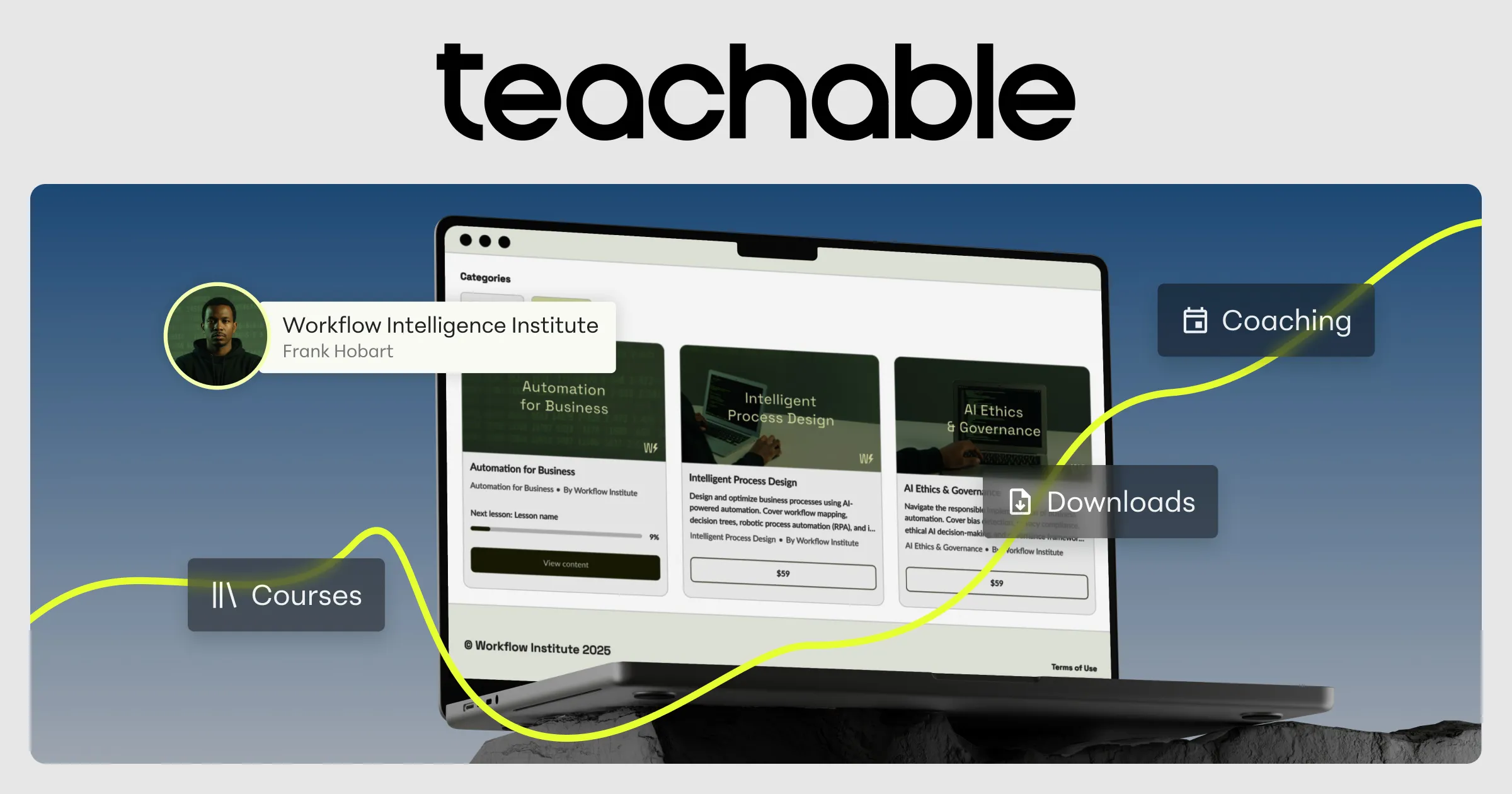
Monetization is the third discipline, and it is where the strategic choice becomes concrete. There are four broad models: paid subscriptions, where readers pay for premium issues; sponsorships and ads, where advertisers pay for access to the audience; product sales, where the newsletter funnels readers toward the publisher's own courses or services; and hybrid models that combine several. Each model needs platform support to work well. beehiiv supports paid subscriptions and runs a built-in ad and sponsorship network, so a publisher monetizing the audience directly has the tools in-platform. Kit supports paid newsletter subscriptions for creators whose monetization is the subscription itself. A publisher whose newsletter exists to sell courses or services needs a platform that connects cleanly to a course platform like Teachable and a funnel tool like ClickFunnels or systeme.io.
The choice between the two flagship newsletter platforms comes down to orientation. beehiiv treats the newsletter as the product: it is a publishing platform, and every feature , growth, monetization, the ad network , serves the publication as a business. Kit treats the newsletter as the relationship: it is a creator platform, and its automation and subscription features serve a creator who monetizes an audience through multiple channels. A publisher whose income is the newsletter itself should lean toward beehiiv; a creator whose newsletter feeds a broader business should lean toward Kit. Both respond to the same logic: value follows the relationship you build with readers, which is what makes either one a sound home for a newsletter.
One thing is worth naming about the newsletter niche: the customer stays. A publisher who builds their business on a platform is unlikely to switch, because their subscriber list, their automation, and their archive live there. That tenure is what makes a good match valuable , subscribers who stay for years reward the tools that earned their trust. The content that converts in this niche is practical: comparisons, migration guides, and monetization breakdowns that help a publisher choose deliberately rather than by default. A publication is a long-term project, and the platform decision is one of the few choices in it that is expensive to reverse.